Art Quotes & Famous Artists Quotes

The mind of a creative genius is both mysterious and inspiring. Throughout history, great artists have not only shaped culture and the way we see the world—they’ve also shared powerful insights into why they create at all. Their words reveal that art is not just about technique, but about curiosity, struggle, courage, and the desire to express something deeply human.

Perhaps these words will help spur your own thoughts about art, and inspire you to pick up your paintbrush grab some oil paints or acrylic paints and create! Below, you’ll find a collection of memorable quotes from some of the world’s most influential artists. Let their thoughts spark new ideas, shift your perspective, and encourage you to step into the studio, pick up a brush, and create something of your own.

“Creativity takes courage.” — Henri Matisse

For those who don’t often make art, the creative process can appear effortless. But artists know that bringing an idea to life requires risk, persistence, and a willingness to face uncertainty. Matisse reminds us that every painting begins with the bravery to start.


Art as Dialogue:

Leonardo da Vinci

“Art is never finished, only abandoned.”

A picture of leonardo ds vinci portrait with some famous paitings, mona lisa, last supper

— Leonardo da Vinci

Leonardo understood that creative work is an evolving process. Artists can endlessly refine, adjust, and reconsider a piece—but there comes a moment when continuing no longer improves it. Learning when to stop is part of artistic maturity. In modern practice, this is especially relevant in a world of constant revision and perfectionism.

Leonardo da Vinci is often celebrated as the quintessential Renaissance thinker, renowned not only for iconic paintings such as Mona Lisa and The Last Supper, but also for the extraordinary journals he filled with visionary ideas. Within their pages are imaginative designs for flying machines, armored vehicles, and underwater devices, alongside meticulous studies of the human body, mechanics, and the natural world—evidence of a mind that moved seamlessly between art, observation, and innovation.

Practical Takeaway:
Set a defined endpoint before you begin (time limit, number of sessions, or adjustments). When you reach it, sign the work and start the next piece.


Edward Hopper

“If I could say it in words there would be no reason to paint.”
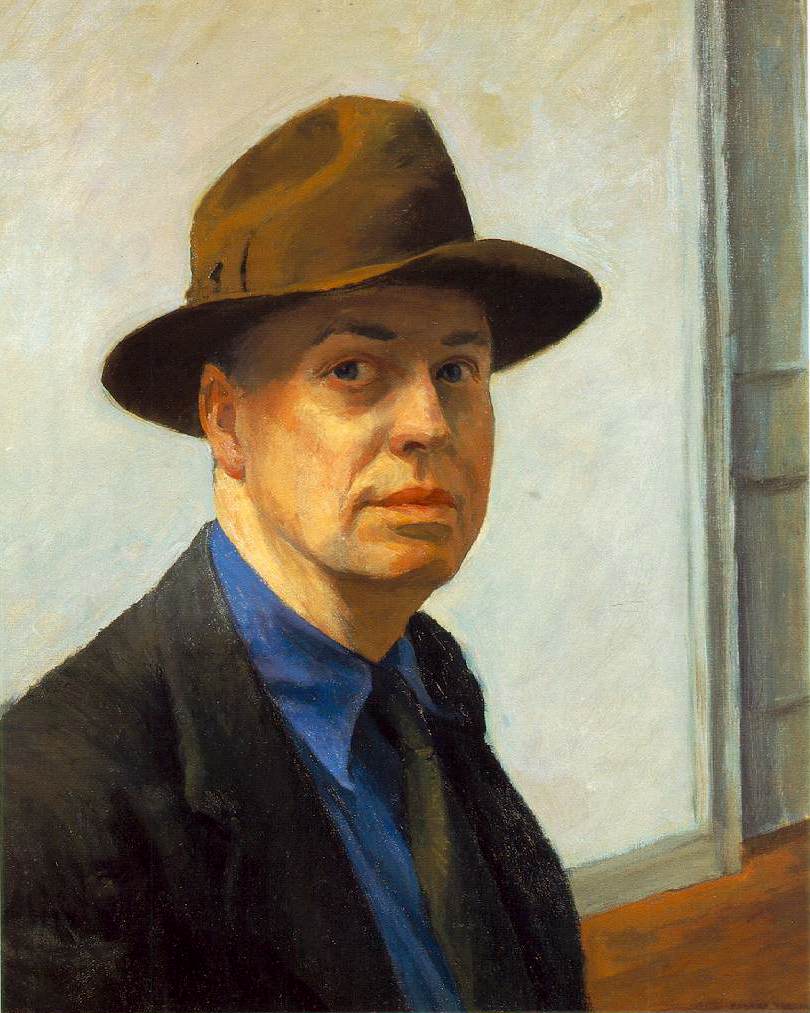
Artist Edward Hopper
— Edward Hopper

Some artists see art as a type of dialogue like Edward Hopper did. Although art is oftentimes a visual medium, it is capable of communicating as effectively as words. (Or, in Edward Hopper’s case, more effectively than words!) Edward Hopper believed painting was a language of its own—one capable of expressing mood, solitude, atmosphere, and psychological depth in ways that words cannot. His work was less about narrative and more about presence: the quiet tension of a figure in a room, the weight of light across a wall, or the stillness of an empty street. Hopper showed artists that meaning can live in subtlety, restraint, and observation rather than dramatic action.

Practical Takeaway:
Create a study based on a quiet interior or outdoor scene at a specific time of day. Focus on capturing how the light shapes the space. Limit detail and instead concentrate on value structure and shadow design to establish mood.


Georgia O’Keeffe

“I found I could say things with color and shapes that I couldn’t say any other way—things I had no words for.”
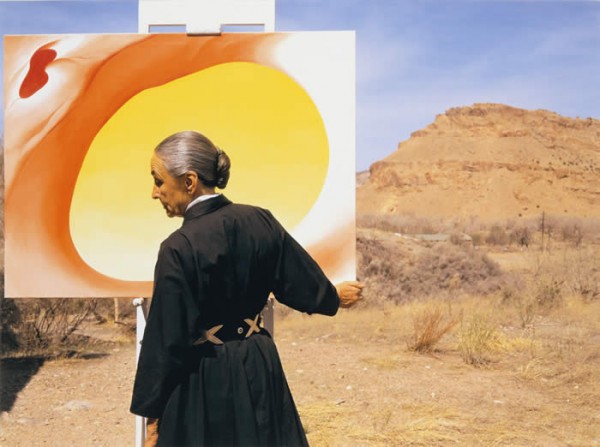
Georgia O'Keeffe
— Georgia O’Keeffe

O’Keeffe believed art could express ideas beyond language. Through abstraction, simplification, and amplified color, she conveyed mood and meaning without relying on literal representation. Her approach encourages artists to think of visual elements as expressive tools rather than descriptive ones. This art quote by Georgia O’Keeffe tells us she too found art capable of expressing what she wanted to say better than words themselves.

Practical Takeaway:
Try isolating a small section of a subject and enlarging it dramatically. Focus on shape relationships rather than details.


Pablo Picasso

“Painting is just another way of keeping a diary.” “Every child is an artist. The problem is how to remain an artist once we grow up.”
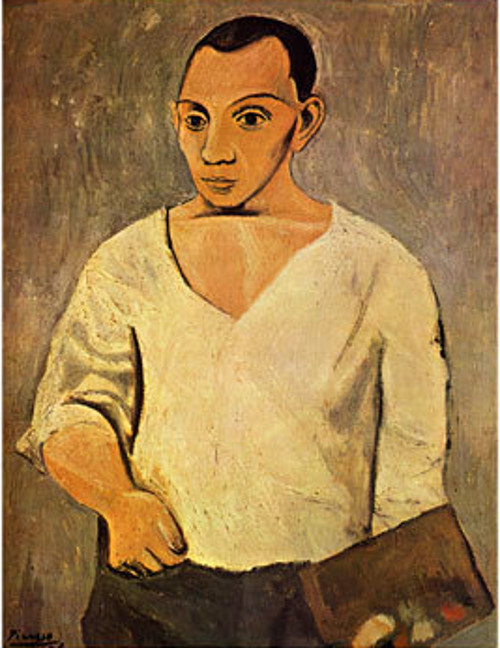
Pablo Picasso
— Pablo Picasso

Another great artist, Pablo Picasso, likened his paintings to maintaining a diary. The way he describes substituting a paintbrush for a pen demonstrates how similar the branches of the arts can be. It’s not so much about being a painter or a writer; they are two beasts of the same species. We could also guess that creativity of all types essentially draws from the same well of genius. In today’s studio practice, this quote encourages artists to reintroduce play. Growth often happens when we allow ourselves to experiment without a fixed outcome. Innovation rarely comes from staying inside familiar habits—it comes from trying something unexpected.

Practical Takeaway:
Dedicate one sketchbook or session each week to experimentation only. No finished pieces allowed. Try new tools, unusual color palettes, or faster working methods


Vincent van Gogh

“The emotions are sometimes so strong that I work without knowing it. The strokes come like speech.” , “I dream my painting and I paint my dream.”
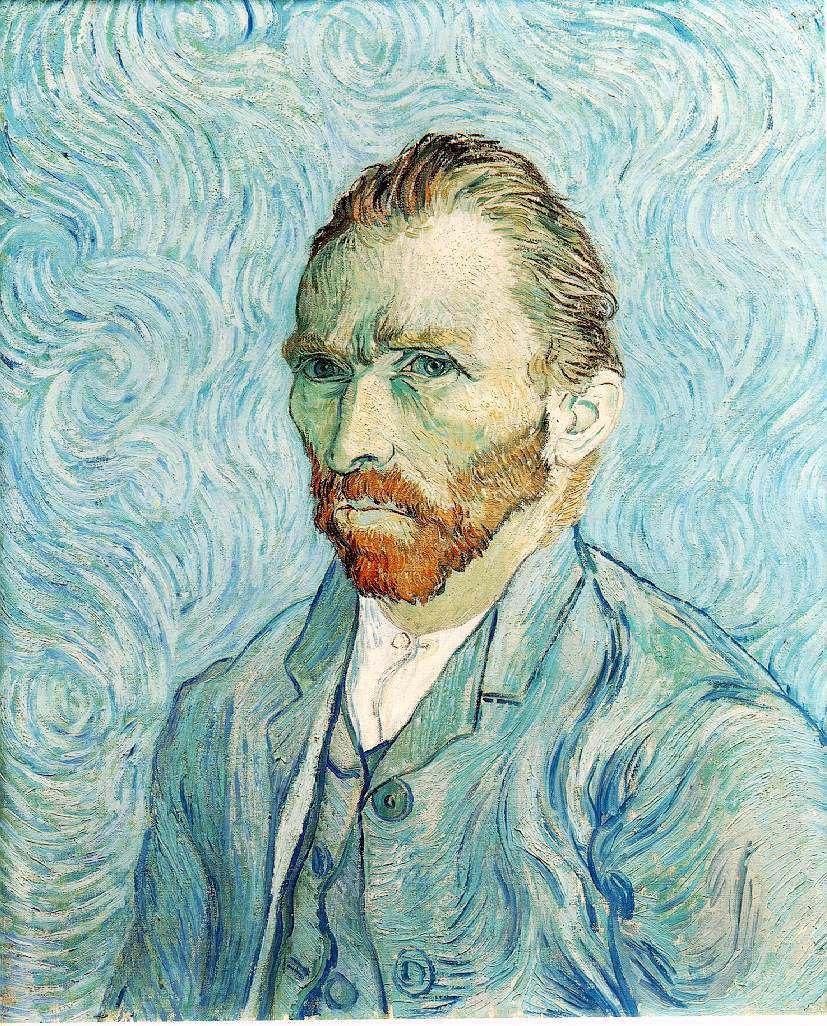
Vincent van Gogh
— Vincent van Gogh

Van Gogh’s words speak to the deeply personal nature of making art. For him, painting was not about replicating reality, it was about translating emotion, memory, and imagination into something visible. He believed that great artwork begins internally, as a vision or feeling, before it ever touches the canvas. Rather than sharing emotions using language, his emotions funneled directly into his paintbrush and the strokes he made. 

Practical Takeaway:
Before starting a piece, pause and ask yourself what drew you to the subject. Write down one word that describes the feeling you want to express, and let that guide your color choices, brushwork, and composition.


The Artist’s Purpose

Other artists have described the purpose of their work rather eloquently. As you might expect, each artist viewed their purpose as uniquely as they created their art.

Alberto Giacometti

“The object of art is not to reproduce reality, but to create a reality of the same intensity.”
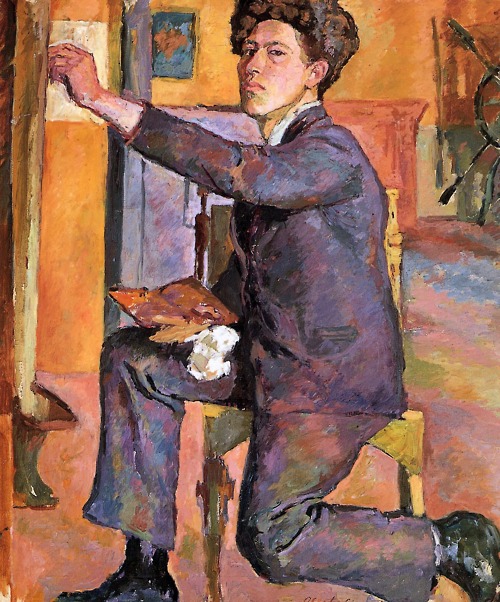
Alberto Giacometti
— Alberto Giacometti

Alberto Giacometti was not interested in copying what he saw—he was driven to capture the experience of seeing. His elongated figures and heavily worked surfaces reflect the struggle to understand space, presence, and human existence. Giacometti repeatedly reworked his sculptures and drawings, often reducing them rather than adding detail, searching for an essential truth rather than a literal likeness. To him, art was an investigation: how do we perceive a person standing before us, and how can that fleeting perception be made tangible?

Practical Takeaway:
Try a reductive study. Begin with a full drawing or painting, then simplify—remove information, narrow shapes, and restate lines until only the most essential forms remain. Focus on gesture and spatial tension rather than finish.


Pablo Picasso

“Art washes away from the soul the dust of everyday life.”
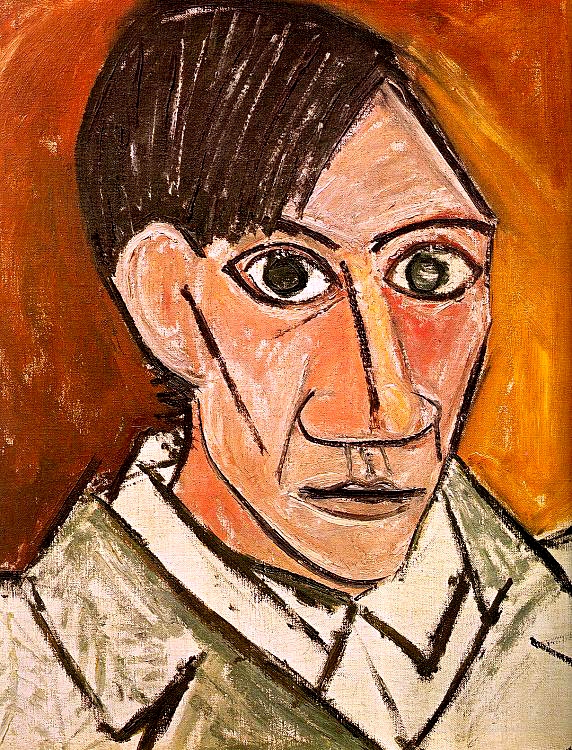
Pablo Picasso
— Pablo Picasso

Picasso’s words remind us that art is not only about creating objects—it is about renewal. Throughout his life, Picasso constantly reinvented his style, moving from realism to Cubism and beyond, using the act of making as a way to rediscover curiosity and vitality. To him, art was a cleansing process, a means of stepping outside routine and reconnecting with imagination. The studio became a place where the noise of daily responsibilities faded, replaced by experimentation, risk, and discovery. The nature of this art quote by Picasso makes one think creating art served as a kind of renewing or cleansing experience for him. It’s interesting to think of the act of creation as one that reveals a cleaner or less aged version of oneself. 

Practical Takeaway:
Set aside a small, consistent block of time—20 to 30 minutes—to create without expectation. Use it to explore color, draw loosely, or test ideas. Treat it as a mental reset rather than a finished project session.


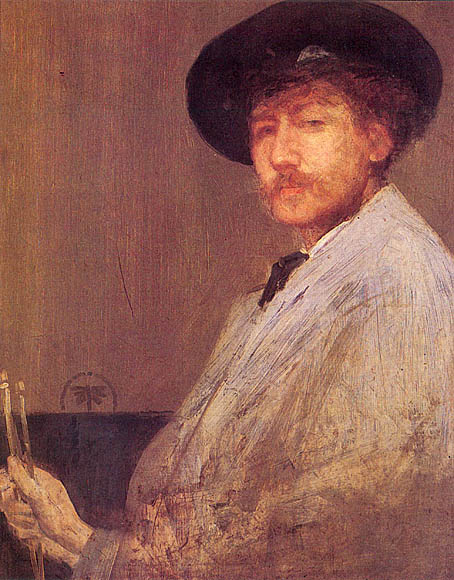
James McNeill Whistler

“An artist is not paid for his labor but for his vision.”
James McNeill Whistler
— James McNeill Whistler

Whistler’s statement challenges the idea that art’s value is measured by hours spent or complexity of technique. Instead, he believed the true worth of a work lies in the artist’s ability to see differently—to interpret the world with sensitivity, intention, and originality. Vision is what transforms paint into poetry, arrangement into atmosphere, and observation into meaning. Two artists may spend the same amount of time on a painting, yet the one with a clear artistic voice creates something far more compelling. It seems as though James McNeill Whistler is saying the value found in art is not the work that goes into it but the sharing of a perspective, through a visual medium. This kind of perspective is, one that can last forever.

Practical Takeaway:
Before beginning a piece, define your intention in one sentence: What do I want the viewer to feel or notice first? Let that guide every decision—from composition to color harmony—so the work reflects purpose rather than effort alone.


Art as a Spiritual Experience

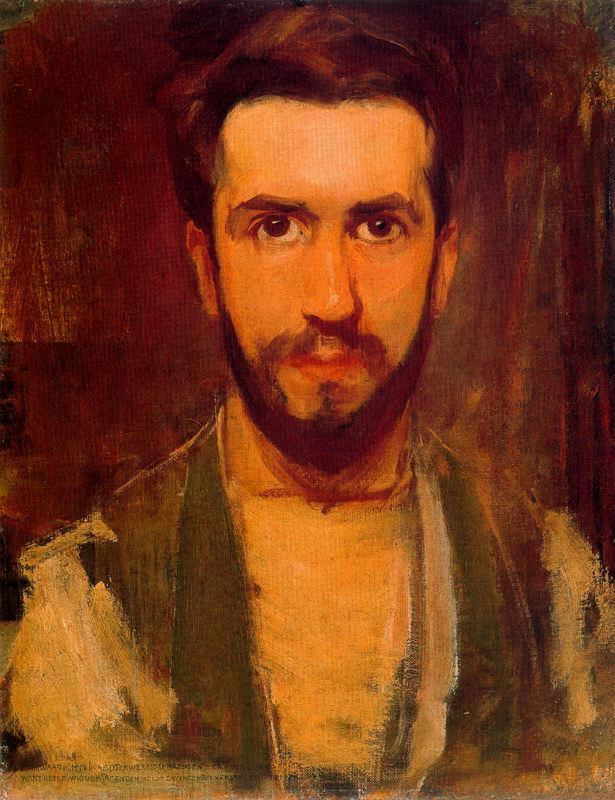
Piet Mondrian

“The position of the artist is humble. He is essentially a channel.”
Piet Mondrian
— Piet Mondrian

Piet Mondrian had a peculiar take on it. He classifies creating art almost as a spiritual experience, as though there is a greater Being doing the work. It is an incredibly passive stance.  Piet Mondrian believed that art was not about personal expression alone, but about revealing universal harmony. As a pioneer of abstraction and the De Stijl movement, he reduced forms to their essentials—straight lines, primary colors, and balanced compositions—to express what he saw as the underlying order of the world. By stripping away representation, Mondrian aimed to show that beauty could emerge from clarity, proportion, and relationships rather than from depicting objects.

Practical Takeaway:
Create a study using only primary colors, black, and white. Focus on proportion, spacing, and balance rather than imagery. Adjust the placement of shapes until the composition feels visually stable and dynamic at the same time.


Although, in a way, it echoes what these other famous artists have said.:

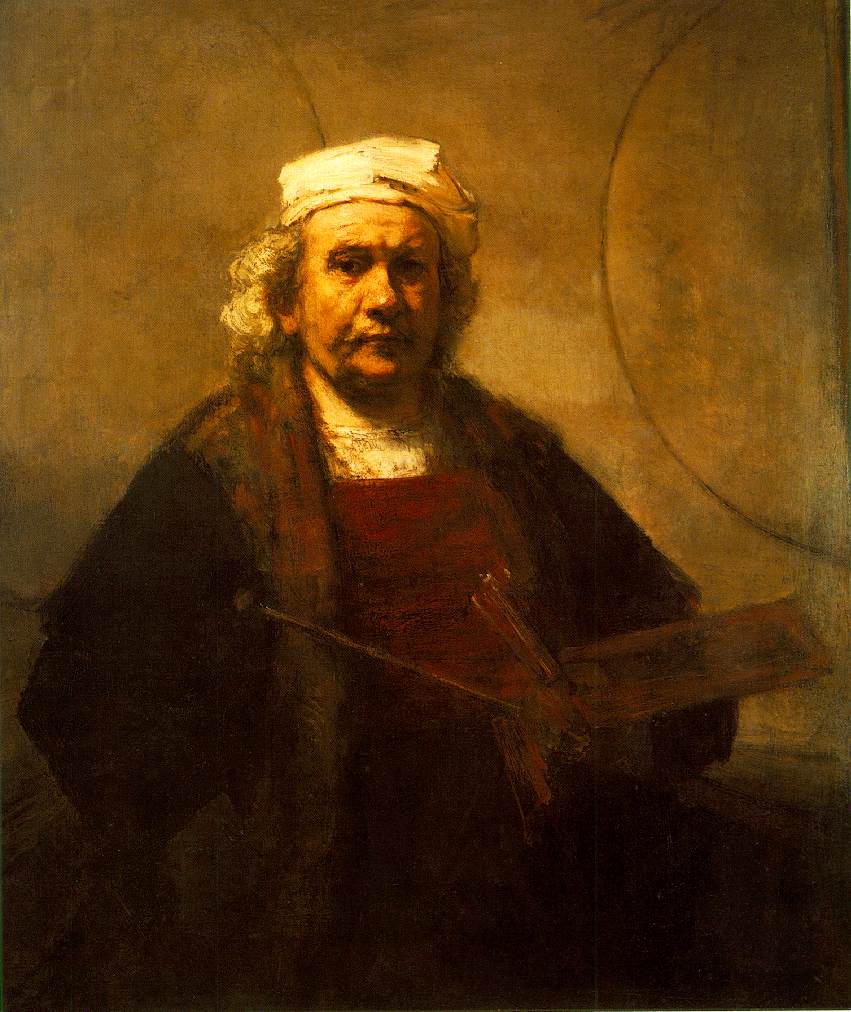
Rembrandt van Rijn

“Painting is the grandchild of nature. It is related to God.”
Rembrandt van Rijn
— Rembrandt van Rijn

Both nature and God were highly influential during the years Rembrandt created art, and they continue to influence art and artists to this day. Rembrandt saw painting as something deeply connected to observation, life, and spirituality. By calling it the “grandchild of nature,” he suggested that art does not replace the natural world it grows from it. For artists today, this quote is a reminder that technical mastery begins with careful looking. Nature—whether a face, a still life, or a shaft of light across a room—is the foundation. But the artist’s role is to interpret, to elevate observation into meaning through mood, contrast, and storytelling.

Practical Takeaway:
Work from life whenever possible. Set up a simple subject under a single light source and study how illumination reveals form. Focus on value relationships first, letting light guide the composition rather than relying on outlines.


Art Quotes on the Subjects of Artists

Other artists have described their subjects. Of course, it would be difficult to take what they say literally:

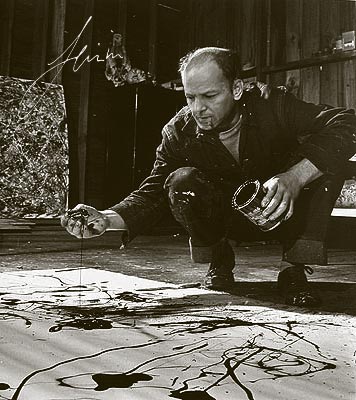
Jackson Pollock

“Every good painter paints what he is.”
Jackson Pollock
— Jackson Pollock

If we were to take this quote literally, we would have to infer that Pollock is a series of paint splatters, and we know this is not the case. Jackson Pollock believed that art is an extension of the artist’s inner life. Rather than separating technique from identity, he saw painting as a direct record of thought, movement, and emotion. His revolutionary drip technique was not random, it was intensely physical and personal, capturing gesture, rhythm, and presence. For artists today, this quote is a reminder that style develops naturally when you stop trying to imitate others and instead respond honestly to your own interests, energy, and experiences.

Practical Takeaway:
Try a process-focused session where the goal is to respond instinctively rather than plan every move. Use movement, scale, or unusual tools to explore mark-making that feels natural to you.


Frida Kahlo

“I never paint dreams or nightmares. I paint my own reality.”
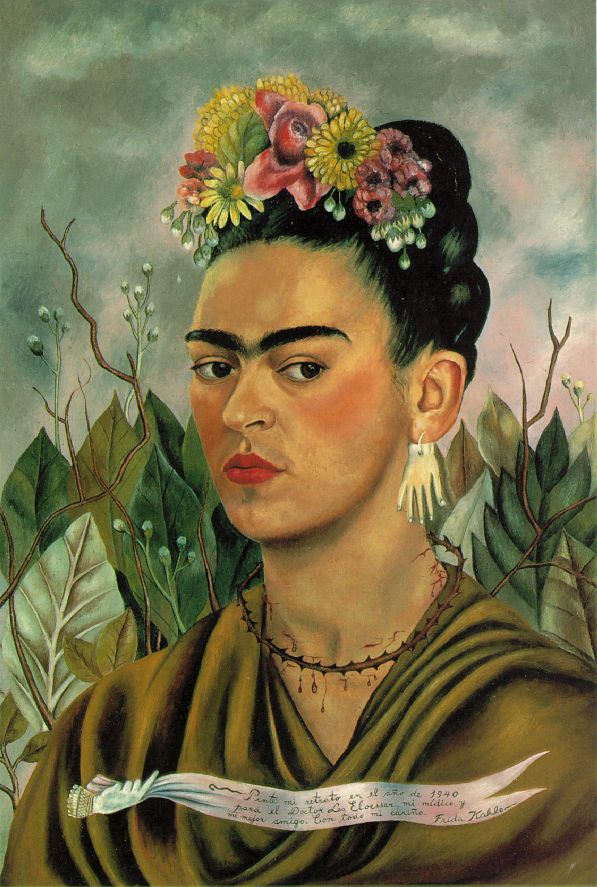
 

Frida Kahlo
— Frida Kahlo

Frida Kahlo’s work was rooted not in fantasy, but in deeply personal truth. She transformed her experiences—physical pain, identity, culture, relationships, and resilience into powerful visual statements. Her paintings show how art can become a form of self-understanding, where honesty and vulnerability create connection with the viewer. And based on this quote by Frida, Kahlo, we would imagine her to be something much more macabre.

Practical Takeaway:
Create a piece based on a personal experience rather than an external reference. Incorporate objects, colors, or symbols that genuinely relate to your story, focusing on clarity of emotion rather than perfection of technique.


Origins of Art

Paul Cézanne

“A work of art which did not begin in emotion is not art.”
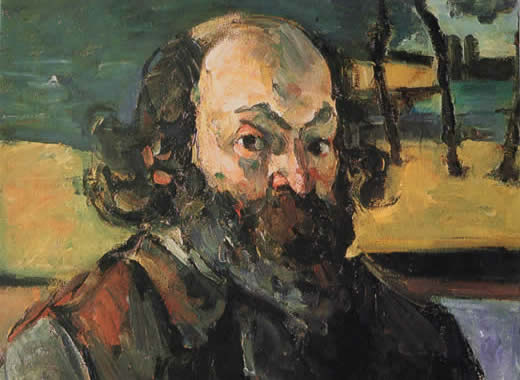
Paul Cezanne
— Paul Cézanne

Cézanne describes emotion as a necessary element involved in the creation of art. By using the term “art,”, Cézanne broadens the topic beyond just painting, although he was a very famous painter. Instead, he includes all forms of creative genius. If they all draw from the same well, it must be deep water made of intense feelings, as light and dark as the end results. Cézanne is often associated with structure and careful observation, yet this quote reveals the deeper force behind his work: emotion was always the starting point. His disciplined studies of landscape and still life were not cold analyses they were driven by a profound response to nature. For artists today, this insight is a powerful balance between feeling and method. While developing skills, studying composition, or refining color relationships is essential, those tools must serve an expressive purpose. The strongest paintings grow from something that genuinely moves you curiosity, awe, tension, or quiet reflection—before any technical decisions are made.

Practical Takeaway:
Before beginning a painting, take a moment to identify what attracts you to the subject emotionally. Is it the calm of the scene, the weight of form, or the harmony of color? Let that feeling guide your early marks rather than focusing immediately on detail.


eGift Cards with Famous Artist Quotes

At Jerry’s, we celebrate artists every day, and these timeless quotes are little sparks of inspiration that can ignite creativity when you need it most. We loved them so much, we turned them into eGift Cards so you can share encouragement, creativity, and a love of art with someone special.

To see, shop and or even send an eGift Card visit our Inspirational eGift Cards

Share This Please

You may also like...