


What is Proportioner? How Do You Use It?
Resize Images Quickly and Accurately with No Math Involved!

Capture realistic proportions
What is a Proportioner? A proportioner is a tool or technique used to measure and compare proportions accurately when creating a drawing or painting. It helps artists ensure that the proportions of different elements in their artwork, such as the size and placement of objects, figures, or facial features, are rendered correctly and in proper relation to one another.
With a new ingenious tool at their disposal, artists can now resize images the way that artists have struggled to do for centuries. In the past, correctly enlarging, reducing, and transferring images without ruining the proportions has been a nightmare.
Artists have tried getting results from everything from grids to calipers, expensive cameras made for measuring and even lasers, however none of those tools offer the promise of getting and transferring the right proportions like the Acurit Proportioner!
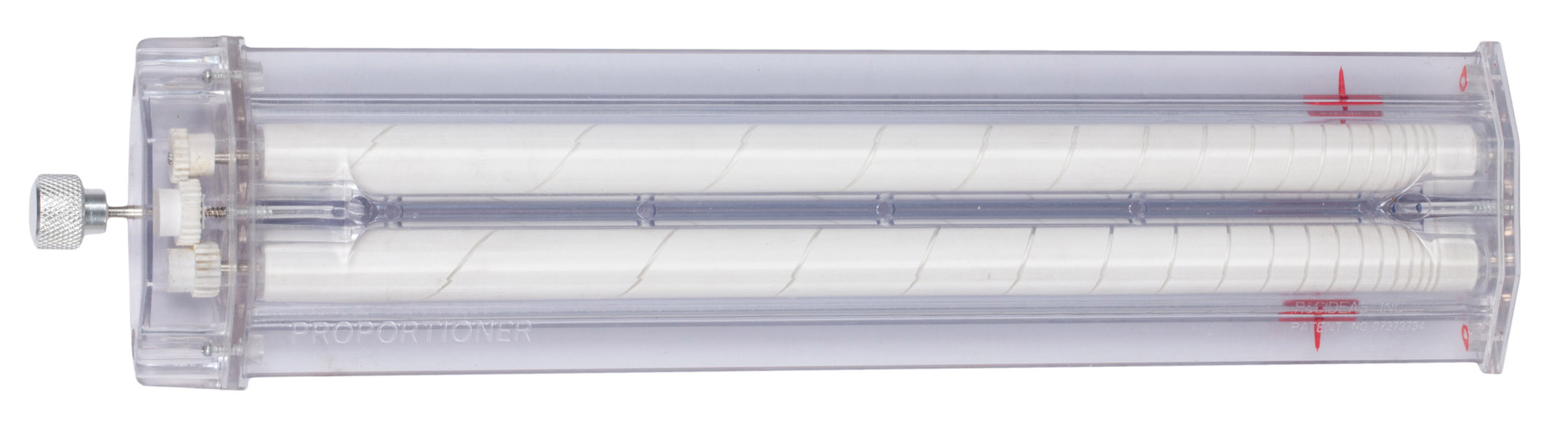
The Acurit Proportioner is an innovative new tool that can correctly transfer proportions between drawings or between objects and drawings, and without any math involved. No rulers or real measuring involved.
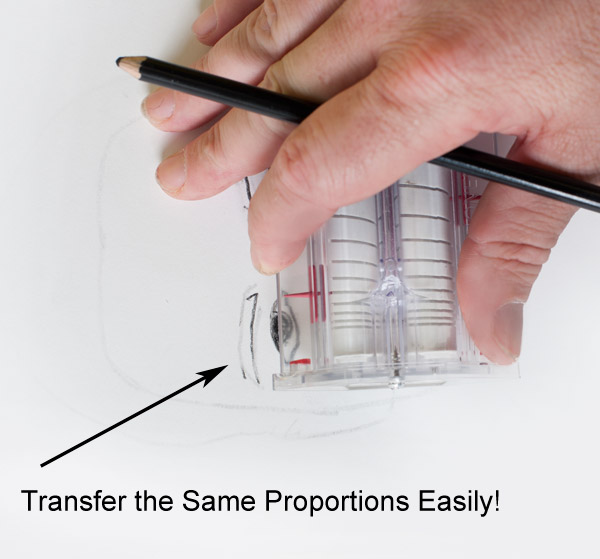
The Proportioner works by consisting of two moveable indicators on a scale. By rotating a knob, you can move the indicators to find the appropriate proportions and can be easily set to any proportion ratio!
 |
 |
The Acurit Proportioner can:
- Quickly resize images with the right proportions
- Great for working in the field
- Does the work for you- stores the proportions you set with no math required
- Perfect for drawing from reference photos or from real life!
VIDEO – How to Use the Proportioner:
Use in the Field
Proportioners are much more accurate than grids or compasses when finding the right proportions. From there, resizing images is easy, quick and precise. And the proportioner is great for field work too.
Plein Aire artists can greatly benefit from using the Acurit Proportioner by taking it into the field and drawing and creating artwork from real life. The best part about it is it requires no electricity or math to measure out the proportions. It’ so simple to use and artists are guaranteed to get perfect proportions every time.
School and Workshop Use
Art teachers and instructors should buy these for classes and art students. Remove the guesswork, freehand drawing, and use of clunky equipment: ensure all your artwork proportions are exactly to scale with the new Acurit Proportioner! The Acurit Proportioner can be easily set to any proportion ratio by rotating the knob (without depressing) until the reference indicators line up with two fixed points — say, the eyes in a portrait image
A Proportioner for art: These proportioning techniques and tools assist artists in achieving accurate and balanced compositions, capturing realistic proportions, and creating visually pleasing artwork. They can be valuable aids, especially for beginners or artists who are working on detailed or complex subjects and want to ensure precise proportions in their art.
You may also like...
-
Understanding Different Types of Pastels and How to Use Them
Pastels are a wonderful medium for creating art that has a unique texture and feel. There... -
What is a non photo blue pencil? Why use it?
Today we’re going to be talking about what’s so special about non-photo blue pencils, what is... -
Retouch Varnish Demystified: Essential Tips and Techniques
Are you looking to enhance the vibrancy and longevity of your artwork? If so, you’ve come...